

Costa Brava
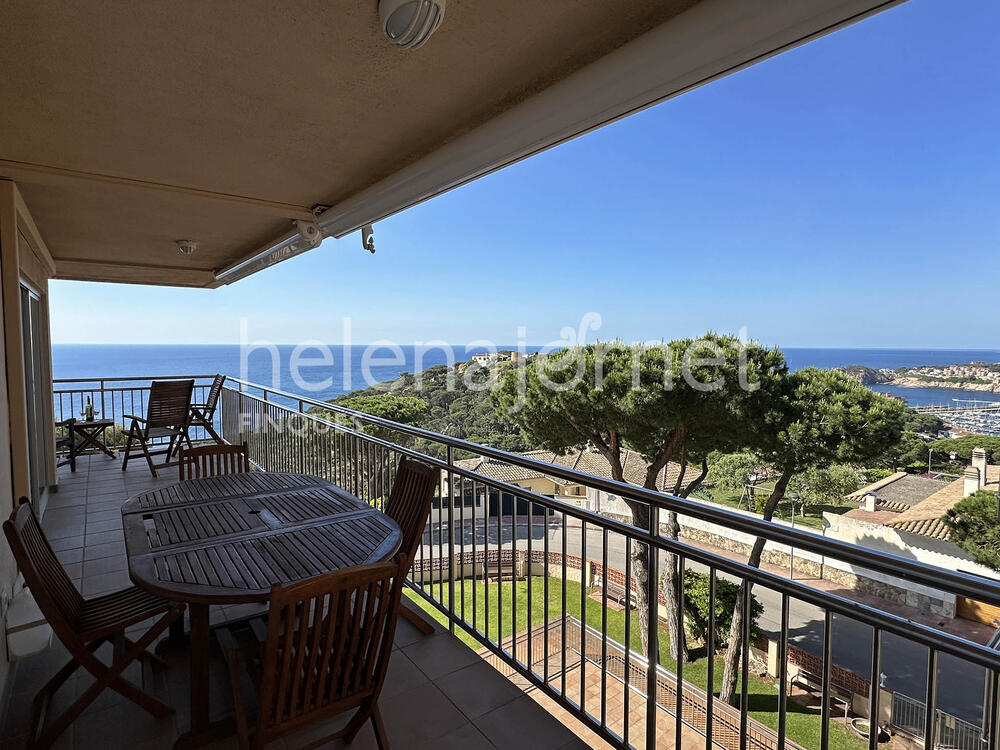
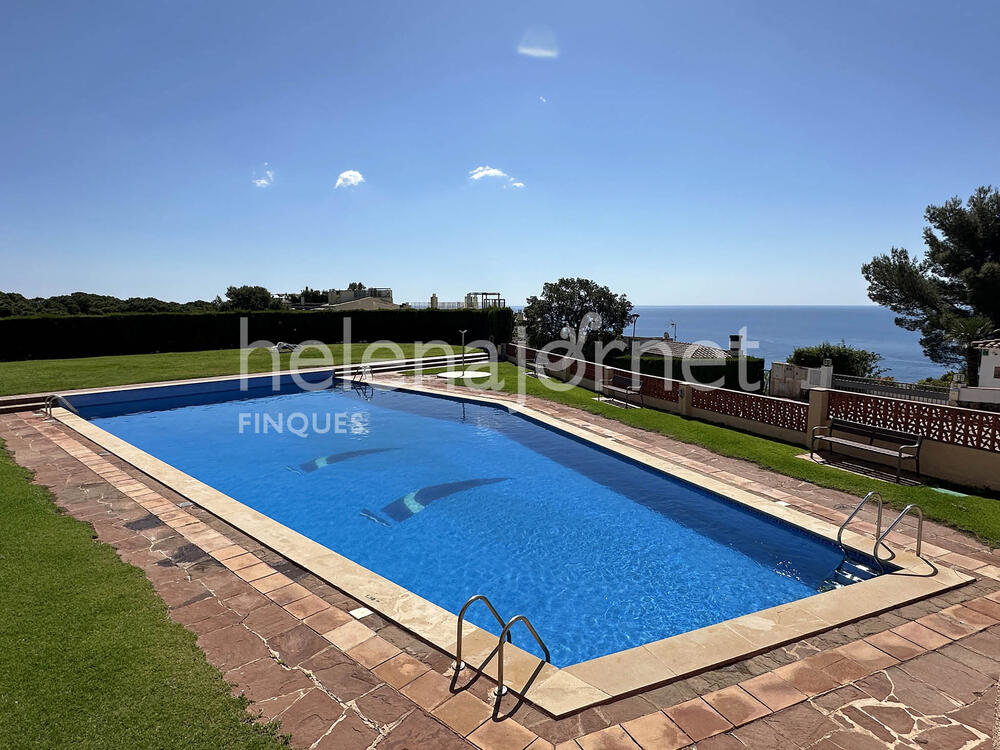
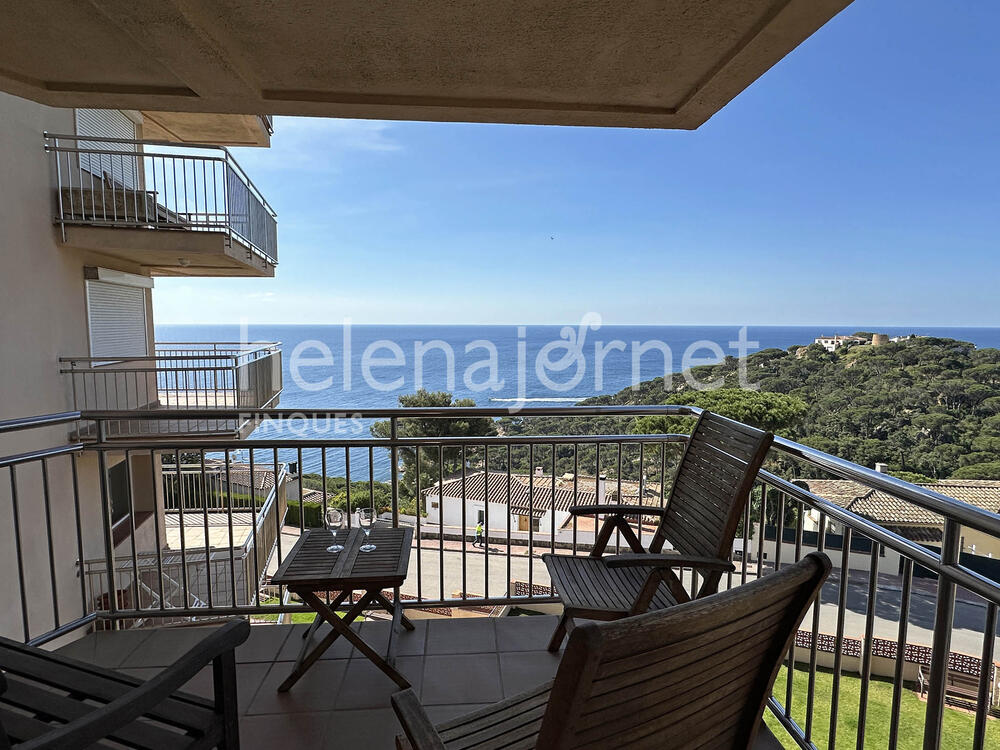
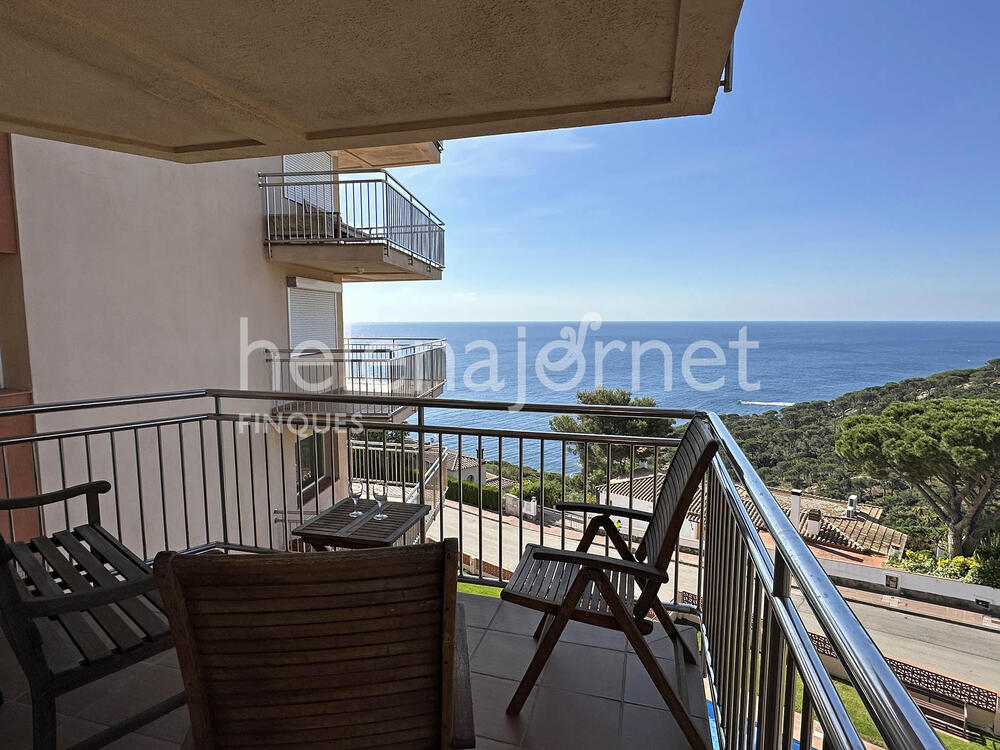
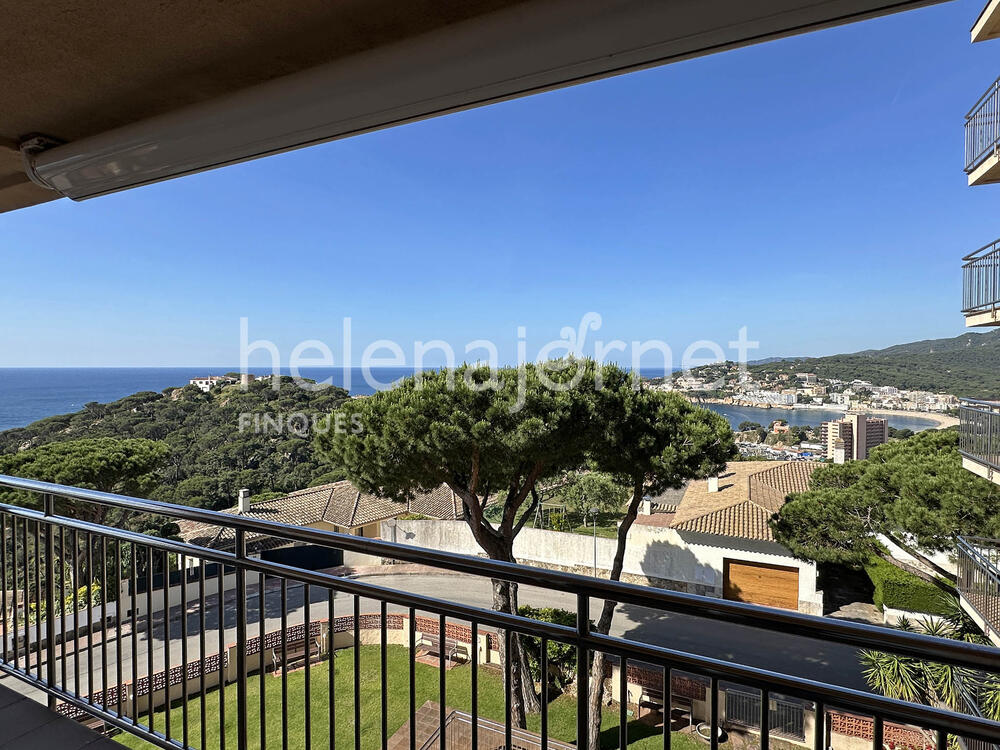
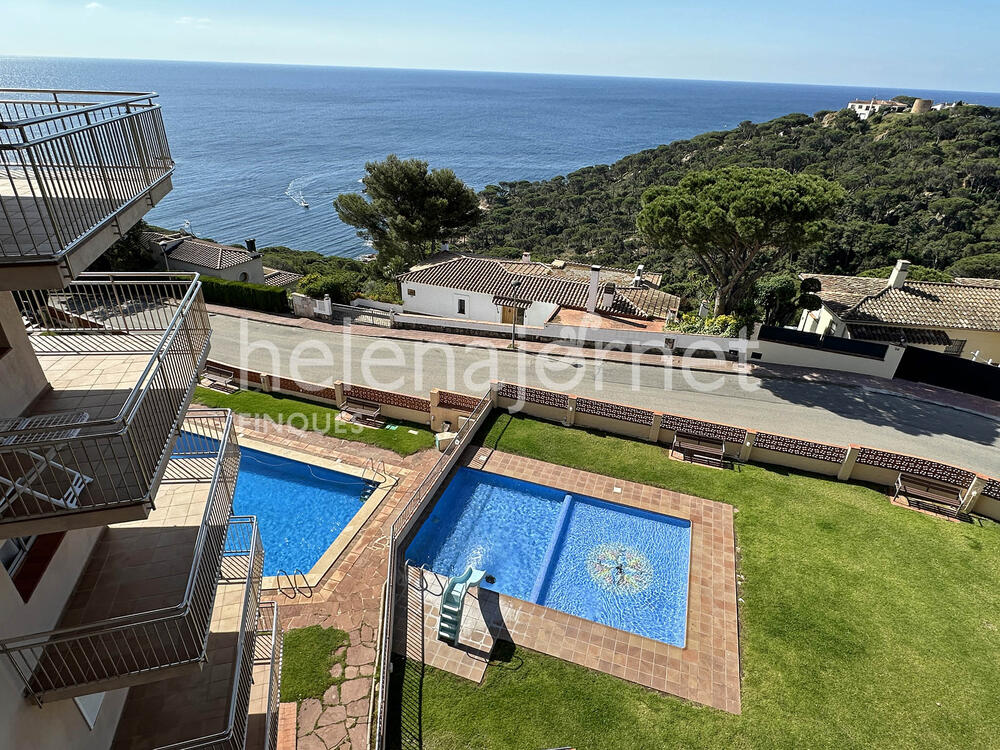
The Costa Brava, the coast of the Girona region, is one of the most emblematic and visited places in Spain, known for its natural beauty, its history and its Mediterranean climate. Full of idyllic beaches and coves, incomparable natural spaces, medieval and fishing villages and one of the most relevant cultural and gastronomic destinations in all of Europe.
The Costa Brava extends from the city of Blanes to the border with France, at Cap de Creus.
Activities and sports
The beaches and coves of the Costa Brava are ideal for those who want to sunbathe, swim and relax, but you can also practice different water sports such as snorkeling, kayaking or windsurfing, especially in places like the Medes Islands or the more secluded coves.
In addition, for the more adventurous, you can also find spectacular hiking routes, such as the Camí de Ronda, which follows the coastline and offers impressive views of the coast.
The region is also perfect for mountain and road cycling enthusiasts, with routes that pass through mountainous and coastal landscapes.
Heritage, culture and history
The Costa Brava is full of history and culture, offering small medieval villages to the influences of modern art. Tossa de Mar, with its medieval castle, is one of the most iconic towns that preserves its ancient walls and defense towers.
Pals and Peratallada are two outstanding examples of perfectly preserved medieval towns with their cobbled streets, castles and walls.
In addition, we also find museums full of history, such as the Jewish History Museum in Girona or the Fishing Museum in Palamós, which offer an in-depth insight into local history and tradition.
Lifestyle and services
The lifestyle on the Costa Brava is both calm and relaxed, as well as adventurous and very close to nature. The coastal towns have a welcoming atmosphere, with a large number of bars, restaurants and terraces where you can enjoy local cuisine, such as fresh fish and seafood dishes.
The atmosphere is rather informal and familiar, and there is a great connection with the outside, whether walking along the beach, doing sports or simply enjoying the scenery. Despite the large number of tourists it receives every year, the Costa Brava has managed to maintain its authenticity.
The lifestyle is also reflected in the local culture, with popular festivals, concerts and other cultural events throughout the year. Some of the most notable festivals are the Cadaqués Music Festival, the Girona International Film Festival, the Jardins de Cap Roig Festival in Calella de Palafrugell, the Porta Ferrada Festival in Sant Feliu de Guíxols and the Castell de Peralada Festival in Peralada.
In terms of services, the Costa Brava offers a wide variety of tourist services, from luxury hotels to more modest options such as apartments, campsites and rural houses.
The restaurants are one of the biggest attractions in the area, with a wide variety of Mediterranean and Catalan cuisine, such as fish suquet, anchovies from l’Escala and coca de llardons.
The region also has a good transport infrastructure, with bus and train networks connecting the main cities and towns.